



In the Friesental
Tertiary ocean, Rhine terrace, soils
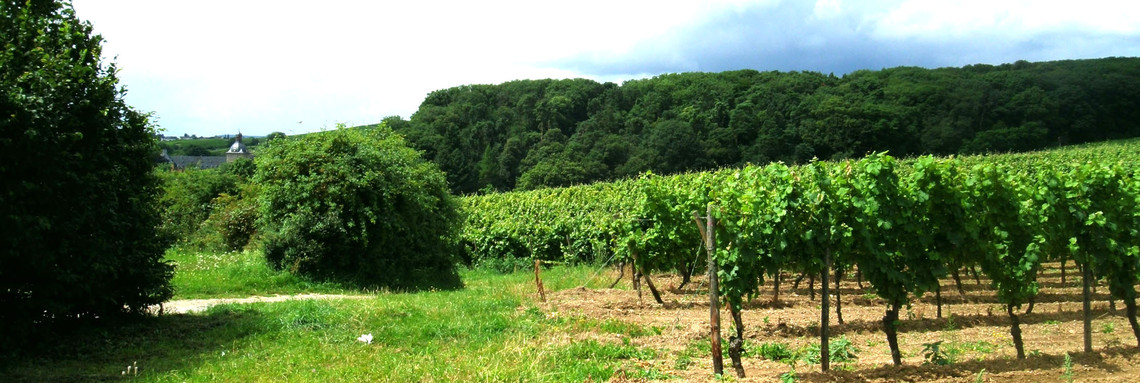
In the field-of-view of the steleYou can see the edge of the ancient Rhine terrace in the foreground, probably the sandiest vineyard of the Rheingau.
The sound of the surf in the Rheingau
From a geological point of view, it is not so long ago that the Taunus Mountains formed the shoreline of a sea, with waves breaking on sandy beaches.
A combination of land depression and rising sea levels formed a temporary strait connecting this region with the open sea during the Tertiary period (Oligocene approx. 30 million years ago).
The Upper Rhine Rift Valley and the Mainz Basin were flooded and the edge of the Taunus Mountains formed the shoreline of a sub-tropical sea, where sharks and sea cows thrived. Many relics of this ancient sea can be found in the landscape today. In the forest of Vollrads you can find beach sediments and sea floor mud.
The Rhine enters the scene
When the sea receded the Rhine conquered the rift valley.
But back then, the primeval Rhine flowed over the level plain of Rheinhessen.
Then, at the beginning of the ice age (Pleistocene, approx 2.6 million years ago) the Rhine carved its channel near to the edge of the Taunus Mountains. As this mountain range was uplifted, the Mainz Basin was downdropped. The Rhine followed the sinking surroundings and created a landscape of slopes and terraces. Every tributary of the Rhine had to keep up with the uplifting mountain ranges and carved their valleys deep into the underground. Today, the tertiary sea floor sediment, the Marl is exposed in the flanks of the Schwemmbach Valley.
Fresh air production zone Friesental
Cold air is formed above the forest at night and flows down the valley towards Winkel. It is too cold for grapes in the Valley, which is why the allotments are located here.
Vineyard sites
The vineyard Mittelheimer Edelmann (90 ha) is located on this side of the valley. The deep loess and weathered loess soils produce very full-bodied wines, whereas the areas covered by shallow, gravelly soils yield wines that are lighter with a noticeable acidity.
The opposite slope belongs to the vineyard Winkeler Dachsberg (Badger Hill 75 ha). Badgers prefer to build their caves in the loose loess.
These wines are racy and balanced with a range of fruit aromas.
The vineyard Winkeler Schlossberg (33 ha) is owned by Castle Vollrads. The soils have developed on a large variety of parent materials: loess and weathered loess, gravel, shale and quartzite.
The wines are full-bodied with a fruity, fresh acidity and, in some cases, a hint of minerality.
Soils of the Vollradser Wäldchen
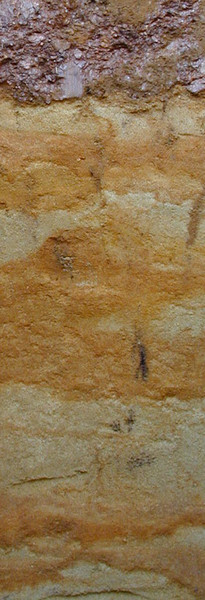
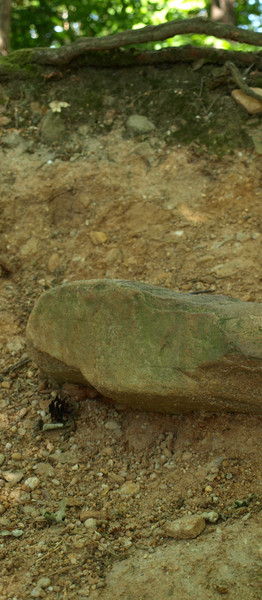
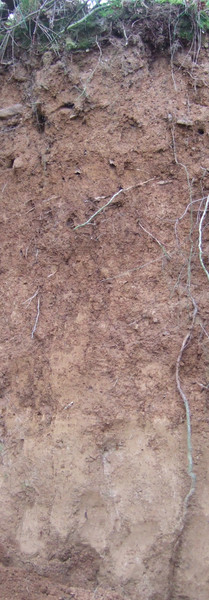
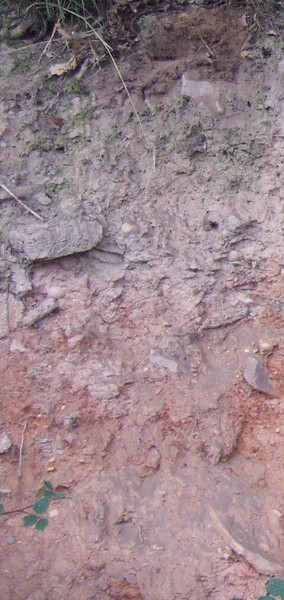
The wind-deposited ice age dust, the loess, is a gift from heaven.This dust covers the infertile marine sands, Rhine terrace deposits and quartzite debris. Ice age winds removed the fine-grained, calcareous dust from the Rhine fill terrace and deposited it as loess on the slopes. The loose loess soils provide the vine with a deep rooting zone and store large amounts of water. This makes them immensely fertile.