



Wine-growing in Lorch
Tradition and class
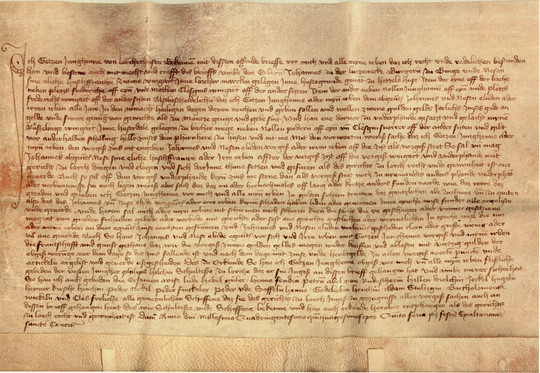
Lorch has a long history of growing wine. The first official record of a vineyard dates back to a deed of donation addressed to Archbishop Wezilo of Mainz in 1085. The first wine market in Lorch was held in 1274 and the Riesling was first mentioned in the Rheingau in 1456: the vines grew in Lorch.
Riesling is the dominant wine of the Rheingau and this is also true of Lorch. Of the 92 hectares of vineyards in Lorch, 63% are stocked with Riesling and 26% with Pinot Noir.
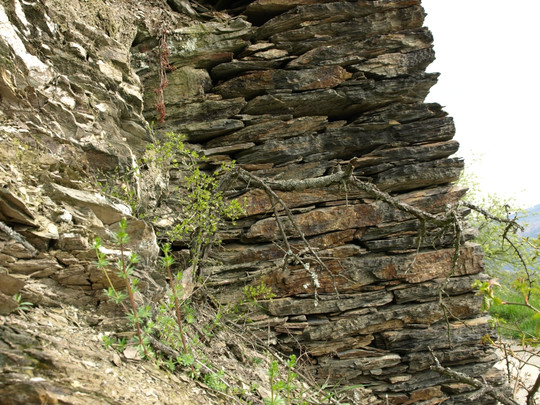
The Wine Laws of Hessen confirm the high quality of the locations in Lorch: 2/3 of the vineyards fulfil the scientific criteria for the top locations FIRST CLASS GROWTH Rheingau.
Wine growing with a perspective Lorch picks up speed
Traditionally, the landscape around Lorch was characterized by steep vineyards, that were divided into small parcels. Here, wine production was hard manual work. There were many sideline wine-growers who only sold their grapes to the wine makers. However, steep slope wine production was no longer economical.
A structural change has made Lorch fit for todays requirements: land consolidation, vineyard amalgamation and modern terracing has paved the way for mechanized production methods in steep slope vineyards. Now the vineyard area is increasing steadily. Today, the wine-makers of Lorch produce highest quality wine and Lorch is in vogue as the current demand for elegant, mineral white wines grows.
Winegrowing is the everyday practice of an ancient tradition
Wine production in Lorch is ready for the future, but has not forgotten its heritage. The cultural landscape is our home. Terraces, dry walls and flood ditches are a distinctive feature of the cultural landscape around Lorch. The historical vineyards are a sign of the close relationship between, Man, nature and culture. They are open monuments and it is vital that they should be preserved.